
A Life in Harmony:
Dr. Stuart and Carol Cohn’s Enduring Commitment to the Reading Symphony Orchestra
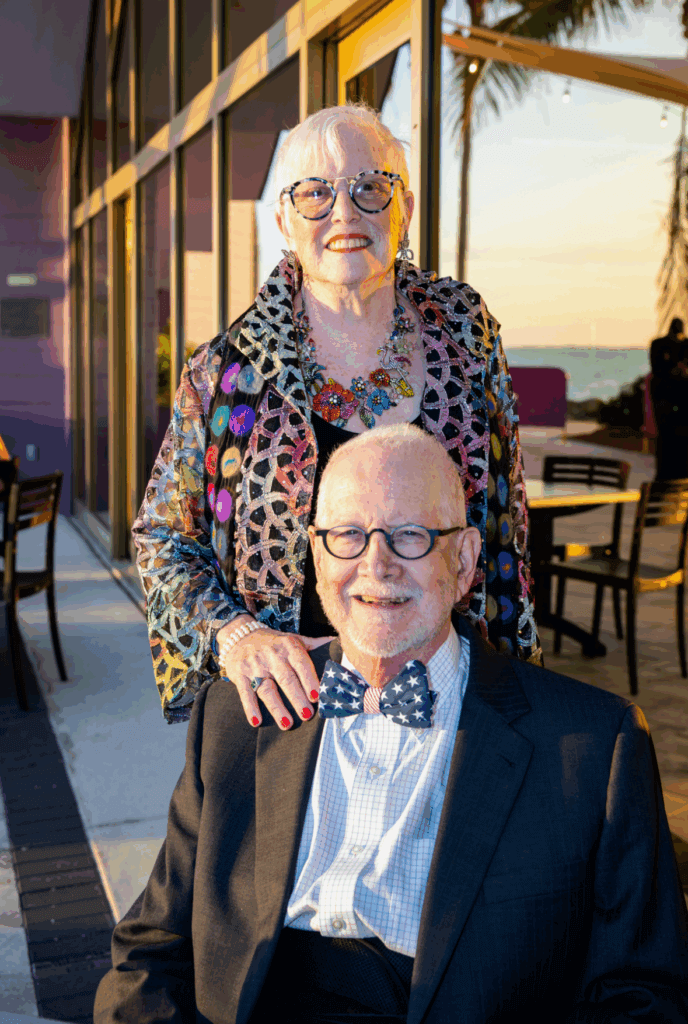
Dr. Stuart “Stu” Cohn and his wife Carol have long believed in the transformative power of music and in the importance of preserving it for generations to come. To that end, they recently established the Dr. Stuart and Carol Cohn Matching Gift Legacy Fund for the Reading Symphony Orchestra (RSO), a gift designed to strengthen the orchestra’s future and inspire others to give.
This act of generosity is just the latest expression of Stu and Carol’s passion for music and decades-long dedication to the Reading Symphony Orchestra. A retired optometrist, lifelong Berks County resident, and committed arts advocate, Stu has helped shape the RSO into one of Pennsylvania’s premier regional orchestras. Through his leadership, philanthropic vision, and deep love for symphonic, opera and chamber music, he has left an indelible mark on both the organization and the community it serves.
Stu’s love for music took root early. Growing up in Pennside as an only child, he was introduced to classical music through family television broadcasts like The Voice of Firestone and The Bell Telephone Hour, which his mother encouraged him to watch. Stu’s parents both loved music, and Stu joked that his mother couldn’t hold a note, but his father had a pleasant singing voice. Stu himself began playing the clarinet in first grade and continued through college, including a stint in the Cornell Orchestra during his freshman year of college.
Stu’s wife Carol was born into a musical background as well. Carol’s mother who grew up in Manhattan had a strong appreciation for classical music, with her father taking her to the Met to see the opera when she was young. Carol’s grandfather was very cultured and passed down a love of music to her mother as well as to her.
Stu and Carol’s son, Steve, a licensed social worker, inherited perfect pitch, sang in a vocal group during high school, and now, at 54, plays bass in a rock band and has a deep appreciation for music.
“Whatever music you’re exposed to as a young person is part of what you carry with you,” Stu reflects.
After moving back to Reading in September 1967 to begin his optometric practice, which he continued faithfully for 53 years until his retirement, Stu and Carol quickly became loyal attendees of RSO concerts. Though they didn’t have season tickets initially, the music kept drawing them in.
In the late 1980s, Stu joined the RSO board at the invitation of conductor Sidney Rothstein and board president Bob Pollack. His friendship with Sidney, a passionate and visionary leader, cemented his bond with the organization. “Sidney lived, ate, and breathed every concert he programmed,” Stu recalls. Over the years, Stu served as vice president, executive vice president, and an active board member, attending rehearsals, offering feedback on programming, and helping shape the symphony’s direction. He has vivid memories of legendary performances, including a concert featuring famed tenor Nikolai Gedda, a great favorite of his, later, Oscar Peterson was the first non-classical artist to perform with the RSO with the Star Series at Stu’s suggestion. That groundbreaking event led to many more non-classical Star Series events, which brought jazz greats like Dave Brubeck and Lionel Hampton to Reading. “Oscar brought his own Bösendorfer piano,” Stu remembers. “He was certainly one of the best pianists I’ve ever heard. Absolutely phenomenal.”
Stu has always held the RSO in high regard. “Aside from the Philadelphia Orchestra and the Pittsburgh Symphony, the Reading Symphony would have to rank right up near the top in PA,” he says. “I’ve always maintained we’re the third-best orchestra in the state.”
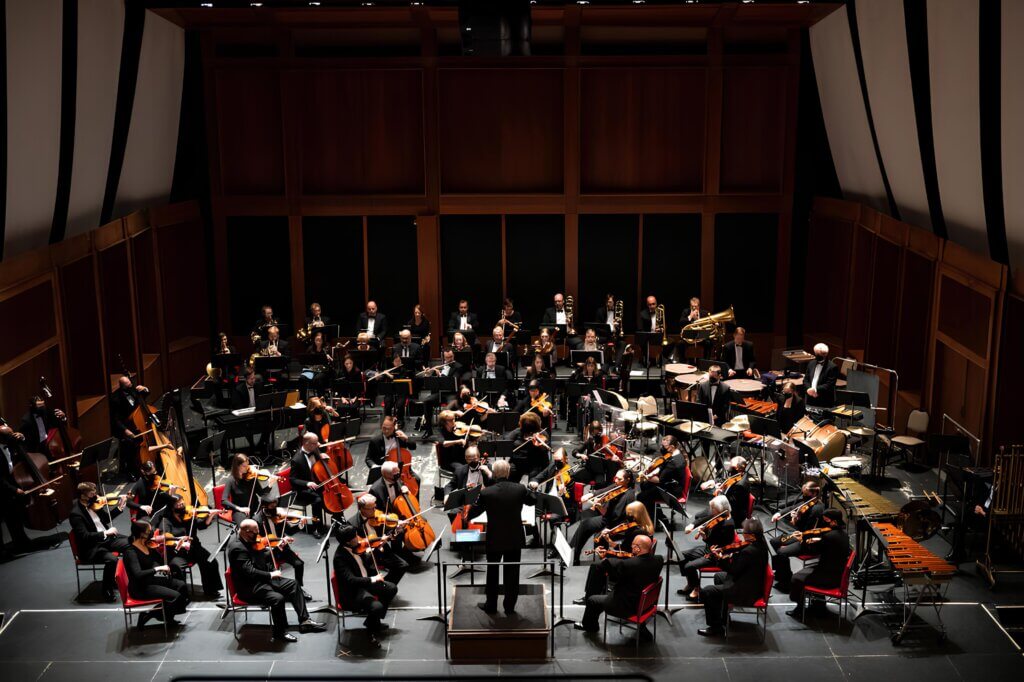
Like many arts organizations, the Reading Symphony faces challenges: an aging donor base, shifting audience demographics, and increasing competition for philanthropic support. Stu has been vocal about the need to adapt, cultivate new donors, and secure financial stability. That’s why he and Carol established the Dr. Stuart and Carol Cohn Matching Gift Legacy Fund, not only as a legacy, but as a call to action. The fund is designed to match contributions from others, multiplying their impact and helping sustain the orchestra for future generations.
Even as he lives with incurable cancer, Stu remains deeply engaged in the RSO’s success. He continues to reach out to friends, past donors, and fellow music lovers, encouraging them to support the symphony’s mission and keep music alive in Reading.
Dr. Stuart Cohn’s story is one of lifelong devotion, to music, to community, and to a cultural institution that has meant so much to him and his family. His belief in the power of music to move, inspire, and heal is reflected not just in his words, but in the legacy he’s building for others to enjoy.
“When I’m at a symphony concert—even though I’ve got incurable cancer—I get lost in the music totally,” he says. “I don’t think about anything else. I just become totally absorbed. It’s a wonderful pastime and I feel great every day.”
Supporting the symphony is Stu and Carol’s way of giving back to the music and the musicians of the Reading Symphony Orchestra, which have meant so much to them over the last 40 years.
By Betsy Woytovich
Dr. Stuart and Carol Cohn Living Legacy Fund
| Thanks to the extraordinary generosity of Dr. Stuart and Carol Cohn, every donation to the Reading Symphony Orchestra Endowment Fund will be matched dollar for dollar, up to $60,000. Your gift to the RSO’s Endowment Fund not only secures the future of music in our community—but, thanks to Stu and Carol, is now matched dollar-for-dollar to make twice the impact. This is your moment to multiply the power of your generosity and ensure world-class orchestral music thrives in Reading for generations to come. |
Learn more about the Dr. Stuart and Carol Cohn Living Legacy Fund